logo
title dontate
shadow


WHAT is the Extreme Ice Survey?

90651237532641newMap.jpg

The Extreme Ice Survey is the most wide-ranging glacier study ever conducted using ground-based, real-time photography. EIS uses time-lapse photography, conventional photography, and video to document the rapid changes now occurring on the Earth's glacial ice. The EIS team has installed 27 time-lapse cameras at 15 sites in Greenland, Iceland, Alaska, and the Rocky Mountains. EIS supplements this ongoing record with annual repeat photography in Iceland, the Alps, and Bolivia.


HOW did the Extreme Ice Survey g21851234935415EISNatGeoCoverJune2007.jpget started?

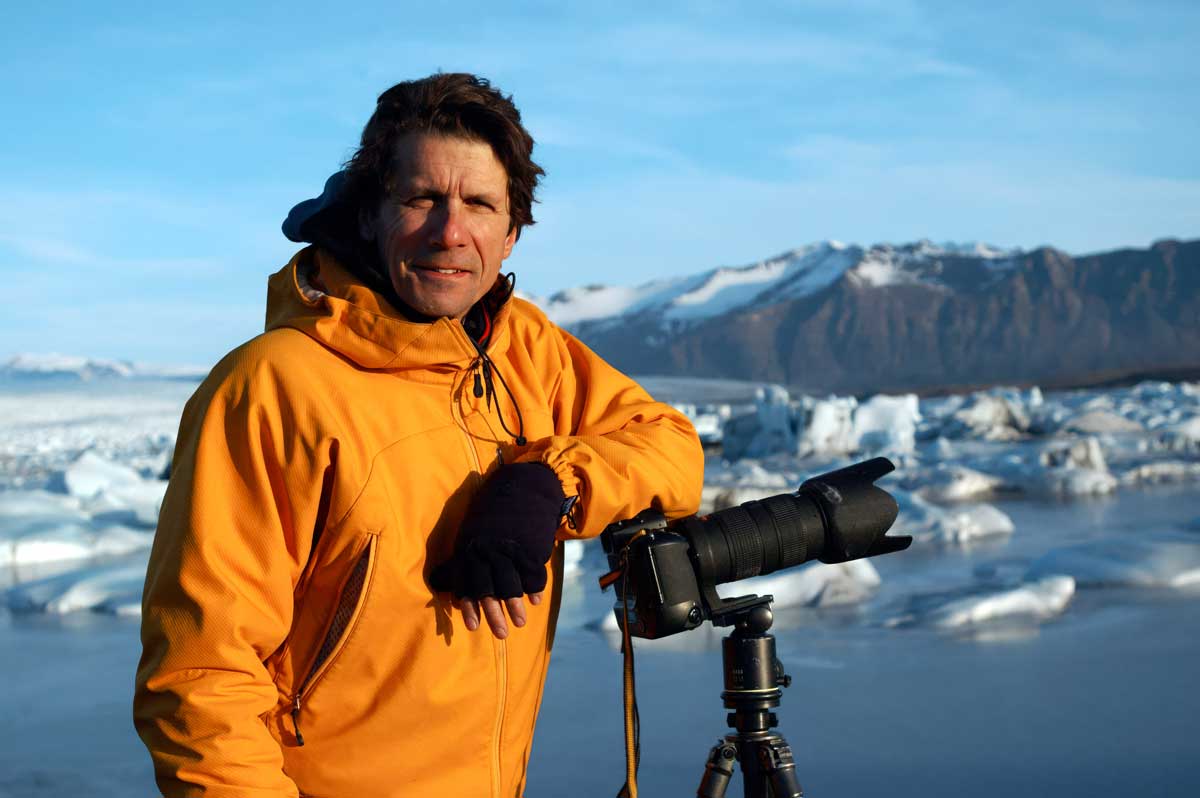
In 2005, internationally acclaimed nature photojournalist James Balog
traveled to Iceland to photograph glaciers for The New Yorker. This led to a 2006 National Geographic assignment to document changing glaciers in various parts of the world. In the course of shooting that story (which became the June 2007 cover story, "The Big Thaw"), Balog, who in addition to being a photographer is a mountaineer with a graduate degree in geomorphology, recognized that extraordinary amounts of ice were vanishing with shocking speed. Features that took centuries to develop were being destroyed in just a few years or even just a few weeks. These changes are the most visually dramatic and immediate manifestations of climate change on our planet today.


WHY EIS?

49801234935494AK-6-08-1432.jpgSeeing is believing. Real-world visual evidence has a unique ability to convey the reality and immediacy of global warming to a worldwide audience. The Extreme Ice Survey provides scientists with basic and vitally important information on the mechanics of glacial melting and educates the public with firsthand evidence of how rapidly the Earth's climate is changing. EIS is a voice for landscapes that would have no voice unless we humans give them one.


HOW does EIS do it?

Locations & Methodology

Guided by the recommendations of glaciologists, the Extreme Ice Survey team has installed its time-lapse cameras at accessible and photogenic sites that represent regional conditions and have high scientific value. EIS cameras are programmed to shoot once an hour, every hour of daylight, indefinitely. Each camera captures approximately 4,000 images per year for a total projected archive of nearly 500,000 photographs by completion of the survey. The time-lapse images are edited into videos that reveal how fast climate change is transforming large regions of our planet.


Cameras

50741237444965JBGearShotFINAL.jpgEIS camera setups must withstand winds as strong as 160 mph, temperatures as low as -40°F, blizzards, landslides, torrential rain, and avalanches. The Extreme Ice Survey uses Nikon D-200 digital single-lens reflex cameras powered by a custom-made combination of solar panels, batteries, and other electronics. The cameras are protected by waterproof and dustproof Pelican cases, mounted on Bogen tripod heads, and secured against arctic and alpine winds by a complex system of anchors and guy wires. Each configuration weighs 70 pounds or more.


Monitoring

The operational health of certain cameras is monitored on a daily basis via an Iridium satellite uplink system designed and built exclusively for the Extreme Ice Survey by the Jet Propulsion Laboratory in Pasadena, CA. Batteries provide power during nights and overcast days. To compensate for dramatic swings in daylight hours at different times of the year, the EIS team constructed customized controllers to power and trigger the cameras only when there is sufficient light. Downloads of digital images occur as frequently as once a month to as rarely as once a year, depending on the remoteness of the site.


WHAT'S extreme about EIS?

56381234935494CrewIceland2.jpgEverything! The scope of the project, the challenging logistics, the fierce weather conditions, the forbidding terrain, and the prodigious distances (more than 6,000 miles from the remote camera at Umiamako Glacier in Greenland to the repeat photography site at Chacaltaya, Bolivia). EIS expedition teams service cameras that are as far as 80 miles from the nearest village, in conditions that can quickly turn from dangerous to deadly. The teams reach the cameras on foot and on horseback, by dog sled and skis, from fishing boats and helicopters that cost up to $8,500 an hour to charter. Extreme, indeedand worth it! Already our cameras have captured the only known images of landscapes that no longer exist.


WHO'S on the EIS team?

61081234935498JasonGLcamera.jpgThe project is a collaboration among imagemakers, engineers, and scientists, all devoted to documenting the changes transforming arctic and alpine landscapes today. In the Extreme Ice Survey, art meets science. EIS celebrates the otherworldly beauty of ice-cloaked landscapes while providing scientists with crucial data on the speed and extent of glacial retreat. Our scientific partners include Dr. Jason Box of Ohio University's Byrd Polar Research Center and Dr. Tad Pfeffer of the Institute of Arctic and Alpine Research at the
University of Colorado.

16051234935499WhosOnTheTeamLogo.jpg 56911234935496INSTAARlogo.jpg


WHEN will the Extreme Ice Survey project be done?

Since its conception, the EIS cameras have continued shooting all over the world. Originally planned to be a two-year study, the EIS team has committed to keeping the cameras deployed as long as there is funding to support the fieldwork and post production costs.

To help the EIS team realize this goal of continued documentation, click here.


Search
  

EIS on Google Earth

22371237519988finalgoogleEarthlLogo.pngThe Extreme Ice Survey is honored to feature our own layer with photos and time-lapse videos on Google Earth. Click here for more information on Google Earth and how to view our layer.

>> LEARN MORE ABOUT
EIS ON GOOGLE EARTH


73641237433484buttonnewsrss.gif


EIS photo of the day

You must install Adobe Flash to view this content.

>> VISIT THE GALLERY


73641237433484buttonnewsrss.gif


>> GO TO "EIS
IN THE NEWS"


73641237433484buttonnewsrss.gif

>> GO TO "EIS
IN THE FIELD"


73641237433484buttonnewsrss.gif

Please visit our major sponsors:
Powered by the Sun & Wind
© 2010 Extreme Ice Survey .  | All rights reserved.  |